Stackable vs Classic Espresso Cups: Which Should Your Café Bar Order?
Stackable espresso cups suit busy bars with tight shelf space and fast turnover, while classic porcelain espresso cups suit table service, slower rituals and a more traditional look. Customized Espresso Cups brands both styles from a minimum of 12, with a free mockup within 24 hours, so you can compare your logo on each before choosing.
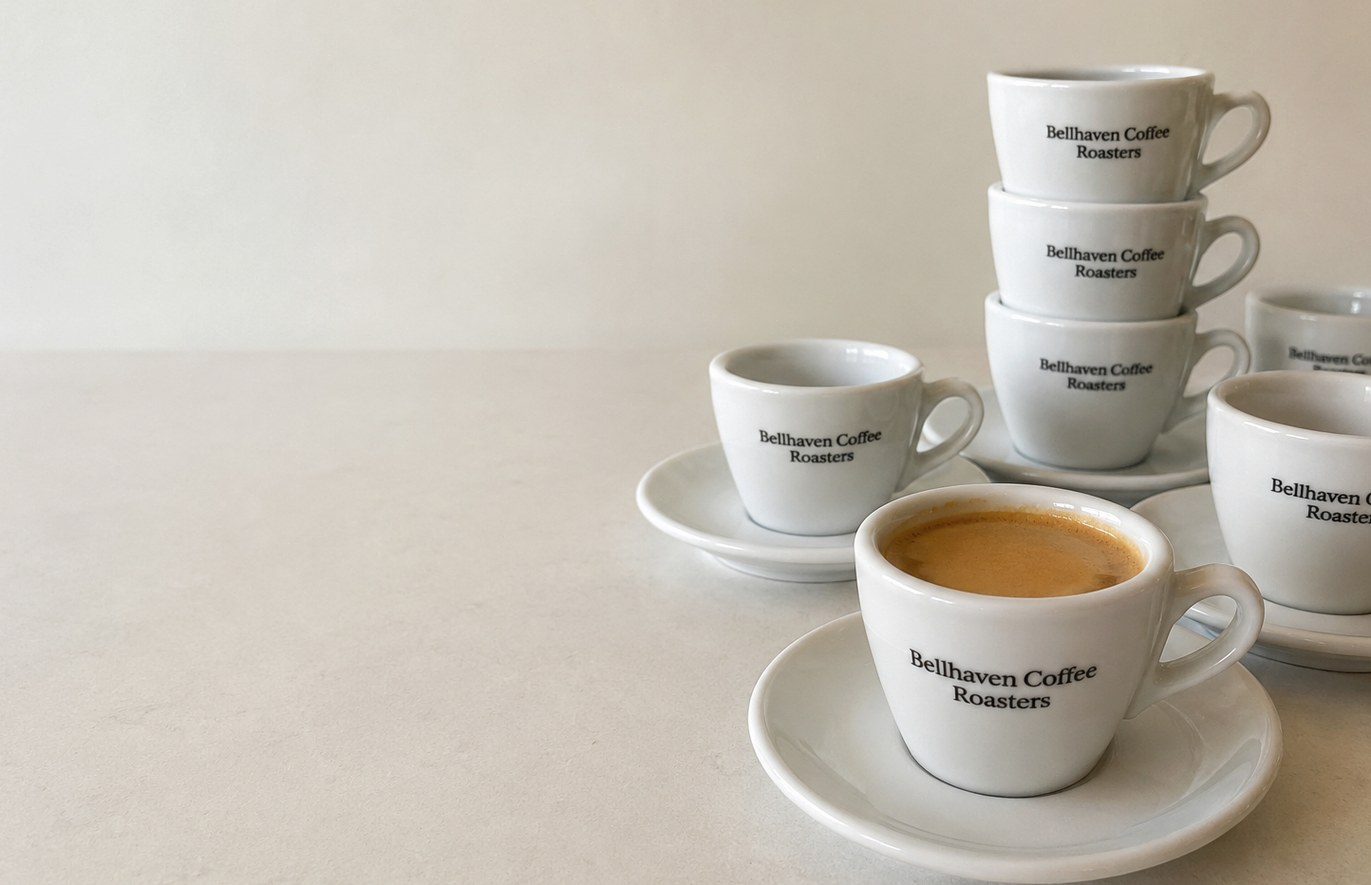
- Stackable espresso cups nest on the machine top and save shelf space behind the bar.
- Classic porcelain espresso cups favor a traditional silhouette and table presentation.
- Both styles can carry your logo, and the minimum order is 12 cups.
- Customized Espresso Cups returns a free mockup within 24 hours.
- Standard turnaround is about 2 weeks after you approve the design.
What is the real difference between stackable and classic espresso cups?
The real difference between stackable and classic espresso cups is how each style behaves when it is not holding coffee. Stackable espresso cups are shaped so one cup nests securely on top of another, which lets a barista build a tidy column on the warming tray of the machine. Classic porcelain espresso cups are shaped first for the drink and the hand, with a rounder body and a more traditional profile, and they are stored side by side or upside down on a shelf.
Both styles hold a single or double shot comfortably, both pair with a saucer, and both can be branded. What changes is the workflow around the cup: how many fit within reach, how quickly a barista can grab one, how they look on the table, and how they handle the knocks of a working day.
If you have never thought about the cup as part of the bar layout, start there. The style that fits your counter and your service pattern usually wins, and the logo then follows the shape.
Which espresso cup style works best for a high-volume café bar?
Stackable espresso cups usually work best for a high-volume café bar, because they keep a large supply of warm cups in one small footprint right where the barista pulls shots. When the morning rush hits, nobody wants to walk to a back shelf for clean cups. A stacked column on the machine top stays warm, stays in reach and refills straight from the dishwasher rack.
Stackable shapes also tend to share a consistent outline, which makes them easy to rack, easy to count at closing and easy to replace. That consistency is why many coffee bars treat stackable cups as working stock and replace breakages in small top-up orders.
- Speed: one motion from stack to group head.
- Warmth: cups sit on the warming tray between uses.
- Space: a column replaces a crowded shelf.
- Restocking: uniform shapes make reorders simple.
Browse the stackable and café-rack cups to see the shapes Customized Espresso Cups brands for busy counters.
When are classic porcelain espresso cups the better choice?
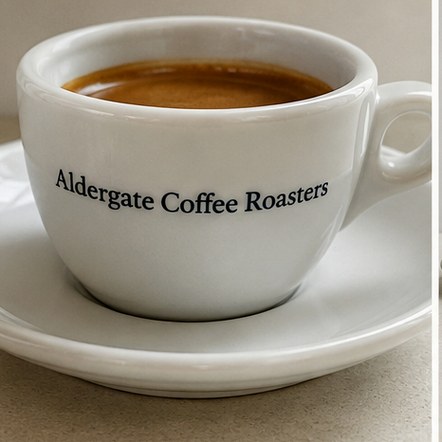
Classic porcelain espresso cups are the better choice when the cup is part of the experience rather than just the vessel. Restaurants that serve espresso after dinner, hotel lounges, specialty coffee rooms that present a shot on a tray, and gift programmes all benefit from the rounder, more traditional silhouette of a classic cup.
A classic shape often feels more substantial in the hand and presents the crema in a way guests notice. The handle tends to be more generous, and the cup reads as hospitality rather than throughput. If your service is seated, slower and table-served, the shelf-space argument for stackable cups matters far less than how the cup looks when it lands in front of a guest.
Classic cups are also a natural fit when you want the logo to be a quiet signature rather than a bold mark, because the curved body suits a small, centered crest. See the classic porcelain espresso cups page for the styles available, or the hotel and resort programme if you are outfitting a property with several outlets.
How do stackable and classic espresso cups compare side by side?
Stackable and classic espresso cups compare most clearly when you line them up against the jobs a café actually asks a cup to do. The table below is a practical summary rather than a technical specification; your mockup will show the exact shape and logo placement for the cup you choose.
| Factor | Stackable espresso cups | Classic porcelain espresso cups |
|---|---|---|
| Best setting | Busy counters, takeaway-heavy bars, multi-site chains | Seated service, restaurants, hotel lounges, gift sets |
| Storage | Nests in columns on the machine top | Shelved side by side or inverted |
| Barista workflow | Fast grab, warm from the tray | Slower, more deliberate presentation |
| Look on the table | Clean, modern, uniform | Traditional, rounded, hospitable |
| Logo placement | Side wall, often a wide band or bold mark | Side wall or saucer, often a small crest |
| Reorders | Easy to top up as working stock | Often reordered as full sets |
Neither column is a winner on its own. The right answer is the one that matches how your bar moves on its busiest day.
Does the cup style change how my logo looks?
The cup style does change how your logo looks, because each shape offers a different printable surface. Stackable espresso cups usually have straighter walls, which suit wider wordmarks, horizontal lockups and bold bands of color. Classic porcelain espresso cups have a curved body, so tall or compact marks sit more naturally, and very wide logos can wrap away from the viewer.
Placement matters as well. On a stack, the visible part of each cup is the side wall, so a logo there is seen every time the barista reaches for a cup. On a classic cup, the saucer is often the better canvas for a full wordmark, with a small icon on the cup itself.
The easiest way to decide is to see both. Customized Espresso Cups returns a free mockup within 24 hours, and revisions are unlimited, so you can ask for your logo on a stackable cup and a classic cup in the same round. For long-lasting marks under daily washing, the in-glaze branded café cups page explains the decoration option many coffee bars choose.
Can I mix stackable and classic espresso cups in one order?
You can mix stackable and classic espresso cups in one order when each style meets the minimum of 12 cups. Many cafés split their needs this way: stackable cups for the working bar and takeaway rush, and classic cups for the seating area, the tasting flight or the retail shelf.
Mixing styles works best when the branding ties them together. Keep the same logo artwork, the same color and a consistent placement logic, even if the scale differs between shapes. Guests then see one brand across two styles rather than two unrelated sets.
- Decide which areas of the business use each style.
- Estimate how many cups each area needs on a busy day, plus spares.
- Request a mockup showing your logo on both shapes.
- Approve each design, then production begins on both together.
Standard turnaround is about 2 weeks after approval, with faster delivery available through express shipping. You pay nothing until you approve the design, so comparing both styles costs you only a few minutes on the quote form.
What should a first-time buyer check before choosing a style?
A first-time buyer should check the bar layout, the service pattern and the dishwasher setup before choosing between stackable and classic espresso cups. Those three things decide which style survives daily use and which one slows the team down.
- Machine top: is there room on the warming tray for columns of cups, or is it already crowded?
- Service style: do most espressos leave the bar in seconds, or are they carried to tables on saucers?
- Washing: do your racks suit the shape you are considering, and will cups go straight from rack to stack?
- Drinks menu: if you also serve cortados and cappuccinos, should the espresso cups match a larger cup family?
- Future reorders: will you top up a few cups at a time or replace whole sets?
If you also need larger drinks, the cappuccino and cortado cups range lets you carry the same branding across the full menu. The how it works page walks through the steps from artwork to delivery.
Which style should you order?
Order stackable espresso cups if your bar is fast, space is tight and cups are working stock. Order classic porcelain espresso cups if espresso is served seated, presented on a saucer or sold as a keepsake. Order both if your business does both, and tie them together with the same logo.
Customized Espresso Cups brands either style from a minimum of 12, sends a free mockup within 24 hours and ships in about 2 weeks after approval. Send your logo through the custom quote form and ask to see it on both shapes before you decide.
Frequently asked questions
Do stackable espresso cups stay stable when stacked tall on a machine?
Stackable espresso cups are designed to nest securely, so a sensible column on the warming tray stays steady during normal service. Keep stacks to a height your barista can reach without stretching, and build them on a flat, dry surface. Customized Espresso Cups can suggest stackable shapes that suit your machine top when you request a mockup through the quote form.
Are classic porcelain espresso cups harder to store than stackable ones?
Classic porcelain espresso cups take more shelf space than stackable cups because they sit side by side or inverted rather than nesting. For seated service that rarely matters, since fewer cups are in rotation at once. If storage is tight, many cafés keep classic cups for the dining area and use stackable cups behind the bar for the rush.
Which espresso cup style looks more premium to guests?
Classic porcelain espresso cups usually read as more traditional and hospitable on the table, which many guests associate with a premium experience. Stackable espresso cups look clean and modern instead. Neither style is cheaper looking by nature; the glaze, the logo and the saucer pairing shape the impression. A free mockup from Customized Espresso Cups lets you judge both before ordering.
Can stackable espresso cups match the look of our cortado and cappuccino cups?
Stackable espresso cups can share the same logo, color and placement as your larger cortado and cappuccino cups, so the whole menu looks like one family. Shapes may differ slightly between sizes, so ask for a mockup of each cup in the range. Matching the artwork rather than forcing identical shapes keeps every drink recognisably branded.
Is a classic or stackable espresso cup better for a coffee cart or kiosk?
Stackable espresso cups usually suit a coffee cart or kiosk better, because space is limited and cups need to stay warm and within reach. A compact stack on the machine replaces shelving the cart may not have. Classic cups make more sense if the cart serves a seated event where presentation matters more than speed.
Should the saucer carry the logo on stackable or classic espresso cups?
Stackable and classic espresso cups both pair well with a branded saucer, but the saucer matters most on classic cups served at the table, where guests see it clearly. On a busy bar, the cup wall is the more visible surface. Customized Espresso Cups can show your logo on cup, saucer or both in the same mockup round.
Can I order a small trial of each espresso cup style before a full rollout?
Espresso cups in either style can be ordered from a minimum of 12, which makes a small trial of each shape practical before a full rollout. Run both on the bar for a few busy days, ask the team which they prefer, then place the larger order. Customized Espresso Cups keeps your approved artwork ready for the follow-up run.
Which espresso cup style is better for retail gift boxes?
Classic porcelain espresso cups are usually the stronger choice for retail gift boxes, because the rounder shape and generous handle feel more like a keepsake. Stackable cups can still be boxed, especially for modern brands. Customized Espresso Cups offers demitasse gift and retail sets, and the mockup can show how your logo sits on the boxed cup.
How do I decide between styles if my café does both takeaway and seated service?
Espresso cups for a mixed café are often best split by area: stackable cups behind the bar for speed and classic cups for guests who sit down. If you prefer one style, choose the one that fits your busiest hour. A mockup showing your logo on both shapes from Customized Espresso Cups makes the decision easier to discuss with your team.
Does switching from classic to stackable espresso cups mean redoing our artwork?
Espresso cups in a new shape rarely need new artwork, though the logo may be resized or repositioned to suit a straighter or curved wall. Send the same vector file you already use and request placement on the new style. Revisions are unlimited and free, so the mockup can be adjusted until the mark looks right on the new cup.
What details should I include when requesting a quote for both espresso cup styles?
Espresso cup quotes for two styles move fastest when you include your logo file, the quantity of each style, any saucer branding, your preferred colors and when you need the cups. Mention whether the cups are for bar service, seating or retail. Customized Espresso Cups replies with a free mockup within 24 hours, and you pay nothing until you approve.
Get a free mockup for your espresso cups
Send your logo or idea and the quantity you have in mind. Customized Espresso Cups returns a free mockup within 24 hours, you approve the design before anything is produced, and standard turnaround is about two weeks with faster options available. Get a custom quote.